 Gazelle Garment
The global fashion industry is shifting. Brands are no longer looking only to Asia for production, they are now exploring Africa, and Nigeria is quickly emerging as a strong contender.
With a growing skilled workforce, improving infrastructure, and a booming fashion scene, garment manufacturing in Nigeria is gaining international attention. But how does the process really work?
If you’re a global brand considering Nigeria as your production base, this guide breaks everything down, from concept to finished garments.
Why Nigeria Is Becoming a Manufacturing Destination
Nigeria is Africa’s largest economy and most populous country. Beyond the numbers, she offers:
-
A large pool of skilled fashion artisans and technicians
-
Competitive labor costs
-
Access to local and imported fabrics
-
A fast-growing fashion ecosystem
-
Increasing government support for local production
-
Strategic access to African and global markets
What was once a tailoring-dominated industry is now evolving into structured apparel manufacturing, capable of handling both small and large-scale orders.
Overview of Nigeria’s Garment Manufacturing Industry
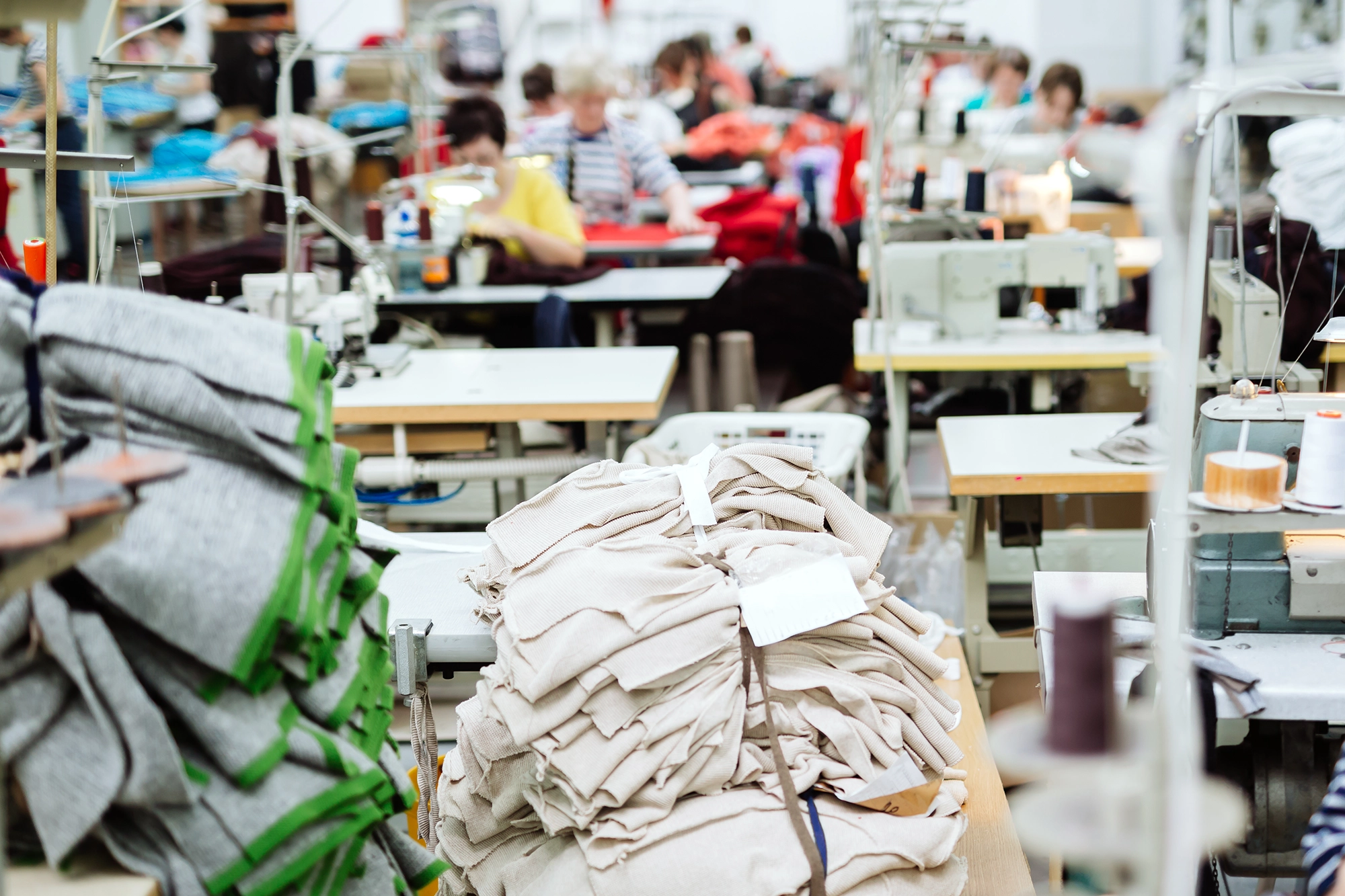
Garment manufacturing in Nigeria ranges from small cut-and-sew studios to fully equipped factories capable of mass production. Many factories now serve:
-
Local fashion brands
-
International startups
-
Diaspora-owned labels
-
Uniform suppliers
-
Corporate wear brands
-
Export-focused businesses
While the industry is still developing, serious factories are implementing modern production systems, quality controls, and export processes.
Step-by-Step: How Garment Manufacturing Works in Nigeria
1. Design & Tech Packs
Everything starts with a design. Global brands usually submit:
-
Sketches or CAD designs
-
Measurement specs
-
Fabric details
-
Stitching and finishing instructions
These are compiled into a tech pack, which acts as the factory’s production blueprint.
Factories in Nigeria increasingly work with tech packs to reduce errors and maintain consistency.
2. Pattern Making & Sampling
After receiving the design, the factory creates patterns and produces a sample. This sample helps:
-
Test the fit
-
Confirm construction
-
Check fabric behavior
-
Validate finishing
Revisions are made until the client approves the final version.
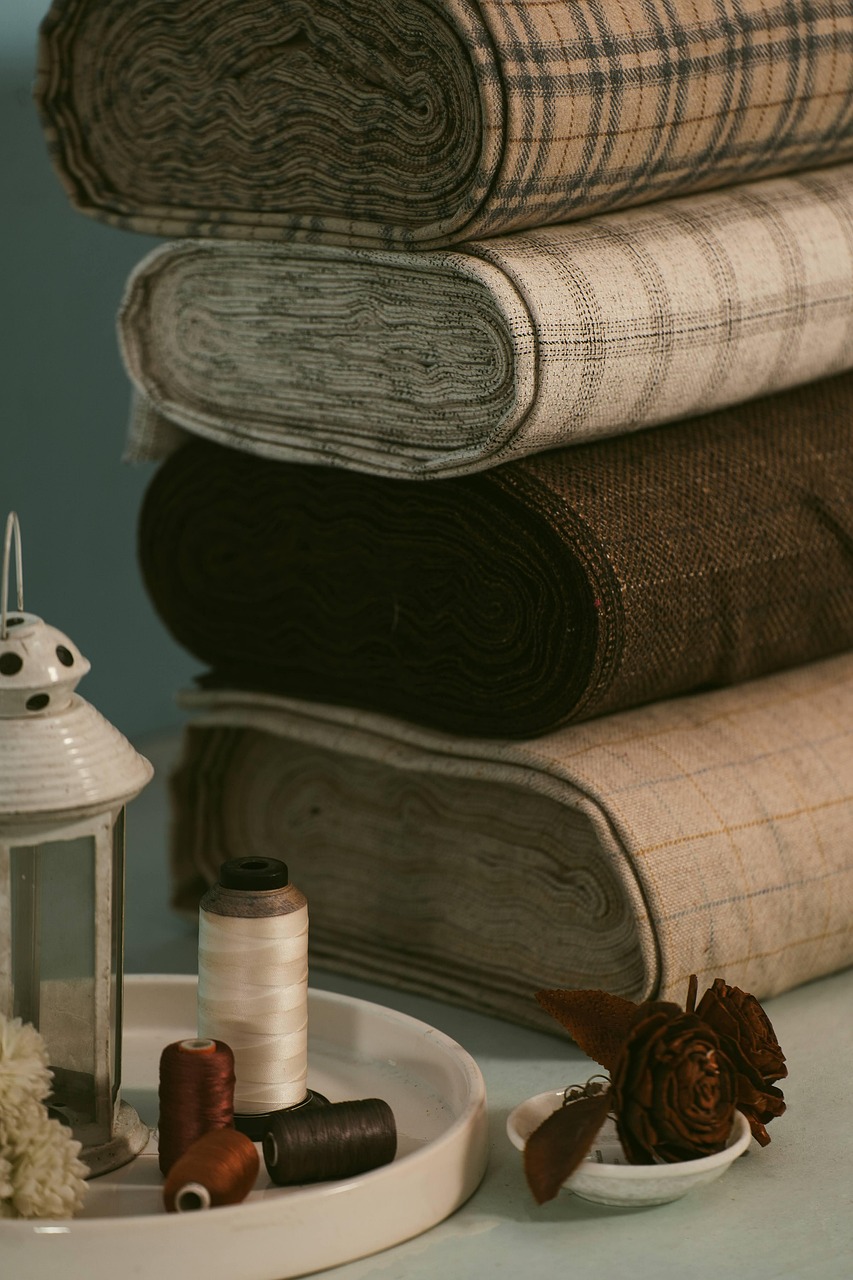
3. Fabric Sourcing
Nigeria offers access to:
-
Local markets
-
Imported textiles
-
Custom-dyed fabrics
-
Ankara, lace, adire, and more
Factories may source directly or work with client-supplied fabrics.
4. Cutting
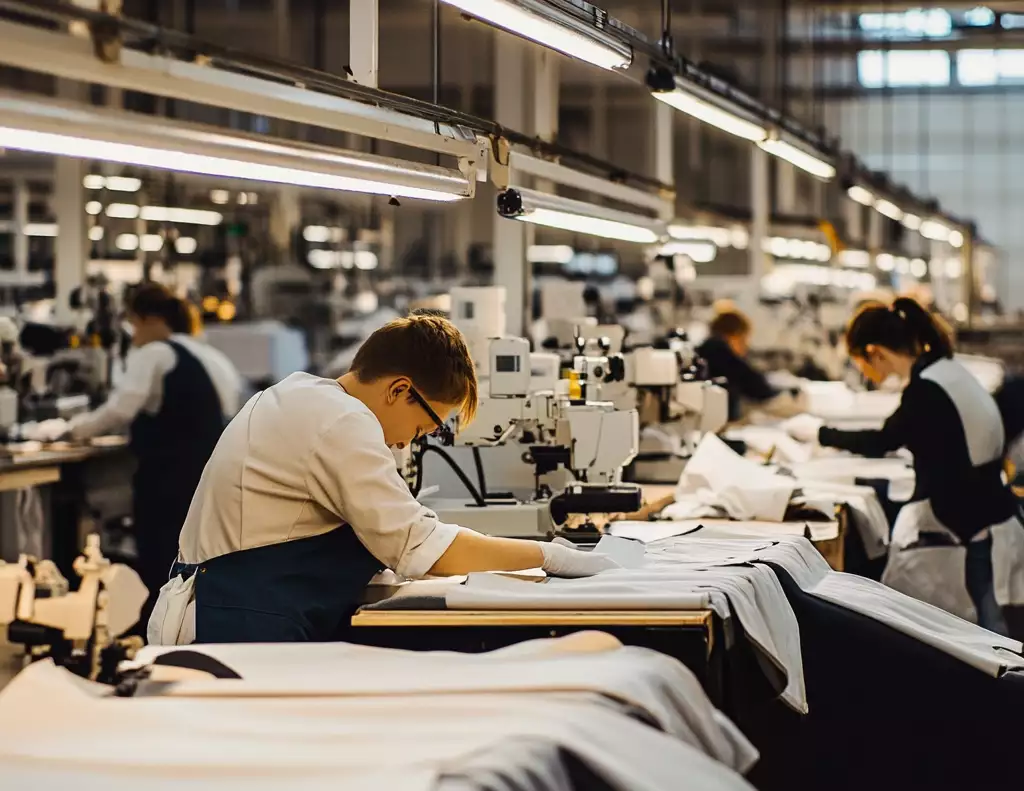
Once fabrics are approved, they are laid out and cut using patterns. Precision here is crucial because it determines garment consistency.
5. Sewing & Assembly
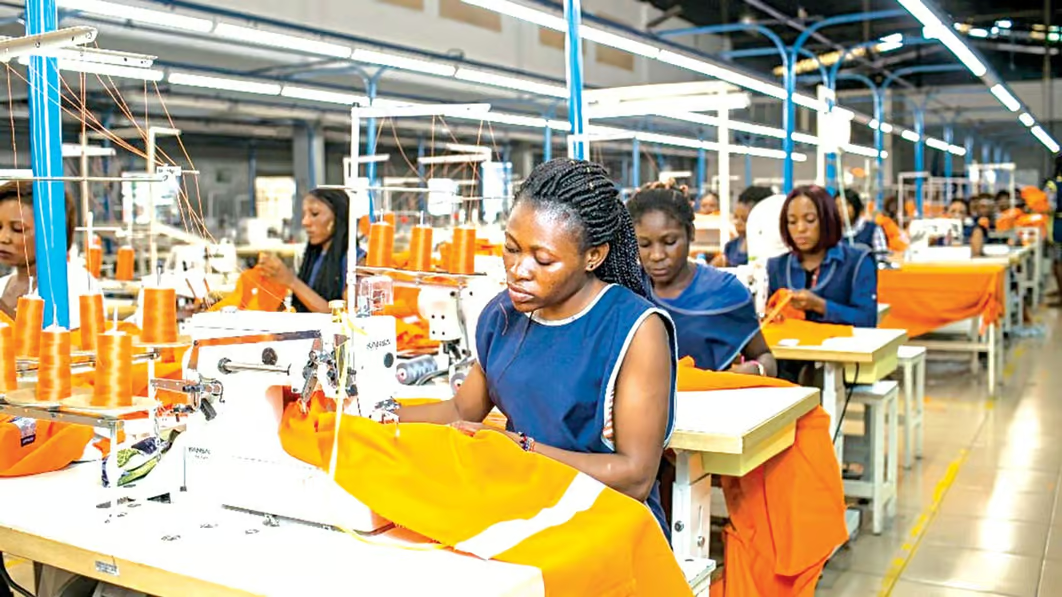
This is where pieces come together. Skilled machinists assemble the garments using industrial sewing machines, following the approved sample exactly.
6. Quality Control
Quality checks happen at multiple stages:
-
During sewing
-
After assembly
-
Before finishing
Factories inspect for measurement accuracy, stitching errors, fabric defects, and finishing issues.
7. Finishing & Packaging
Garments are:
-
Ironed or steamed
-
Tagged and labeled
-
Folded
-
Packaged
Export orders follow international packaging standards.
Types of Garment Factories in Nigeria
-
CMT Factories (Cut, Make, Trim) – Client provides everything; factory assembles.
-
Full-Package Manufacturers – Factory handles everything from sourcing to packaging.
-
Sampling Studios – Focus on prototypes and development.
-
Uniform & Corporate Wear Factories
-
RTW Mass Production Units
Understanding which one suits your needs is key.
Cost of Garment Manufacturing in Nigeria
Costs depend on:
-
Fabric type
-
Design complexity
-
Order volume
-
Finishing requirements
-
Packaging
-
Export handling
Nigeria often offers competitive pricing compared to Western countries, while maintaining better quality control than some low-cost markets.
Lead Times & Production Timelines
Typical timelines:
-
Sampling: 7–14 days
-
Bulk production: 3–6 weeks
-
Packaging & dispatch: 3–7 days
Rush orders may be possible depending on factory capacity.
Quality Standards & Compliance
Serious Nigerian factories now align with:
-
International measurement systems
-
Export documentation standards
-
Brand quality checklists
-
Ethical labor practices
Always ask about quality processes before committing.
Exporting Garments from Nigeria
Factories that handle exports usually assist with:
-
Commercial invoices
-
Packing lists
-
Certificates of origin
-
Customs documentation
-
Freight coordination
Many Nigerian factories ship to the UK, US, Canada, and across Africa.
Why Global Brands Are Choosing Nigerian Factories
-
Unique African craftsmanship
-
Cultural fashion innovation
-
Competitive pricing
-
Ethical labor potential
-
Faster communication than Asian time zones
-
Custom production flexibility
Garment manufacturing in Nigeria is no longer just local, it’s becoming global. With the right factory partner, brands can produce high-quality garments while tapping into Africa’s growing manufacturing power.
If you’re considering Nigeria, now is the time.
Looking for a reliable garment manufacturing partner in Nigeria?
We help global brands turn ideas into quality garments, on time, at scale, and to international standards.
Contact us today to start your production.

 Gazelle Garment