 Gazelle Garment
Many fashion founders imagine clothing production as a simple process: send a design to a factory and receive finished garments. In reality, clothing production is a detailed, multi-stage system that requires planning, communication, and precision.
Understanding this process helps you:
-
Avoid costly mistakes
-
Prevent production delays
-
Control quality
-
Budget accurately
-
Build a scalable brand
Here’s a complete breakdown of how clothing is made—from concept to customer.
Step 1: Concept Development & Design
Every garment begins with an idea. This stage involves:
-
Trend research
-
Sketching or digital designs
-
Choosing silhouettes
-
Deciding on colors and fabric types
At this point, you’re defining the identity of your product—not just how it looks, but how it feels, fits, and functions.
Step 2: Creating a Tech Pack
A tech pack is the most important document in garment manufacturing. It translates your creative ideas into production instructions.
A proper tech pack includes:
-
Flat sketches
-
Measurements
-
Size grading
-
Fabric details
-
Stitch types
-
Label placement
-
Construction notes
Factories rely on this document to ensure accuracy and consistency.
Step 3: Pattern Making
Patterns are templates used to cut fabric into garment pieces.
A pattern maker converts your tech pack into:
-
Master patterns
-
Size-graded patterns
-
Production-ready templates
This stage determines how your garment will fit the body.
Step 4: Sampling & Fit Approval
Before bulk production, a sample is made.
Sampling allows you to:
-
Check the fit
-
Confirm proportions
-
Evaluate fabric behavior
-
Test comfort
-
Review construction
Revisions are made until you approve the final version.
Step 5: Fabric Sourcing
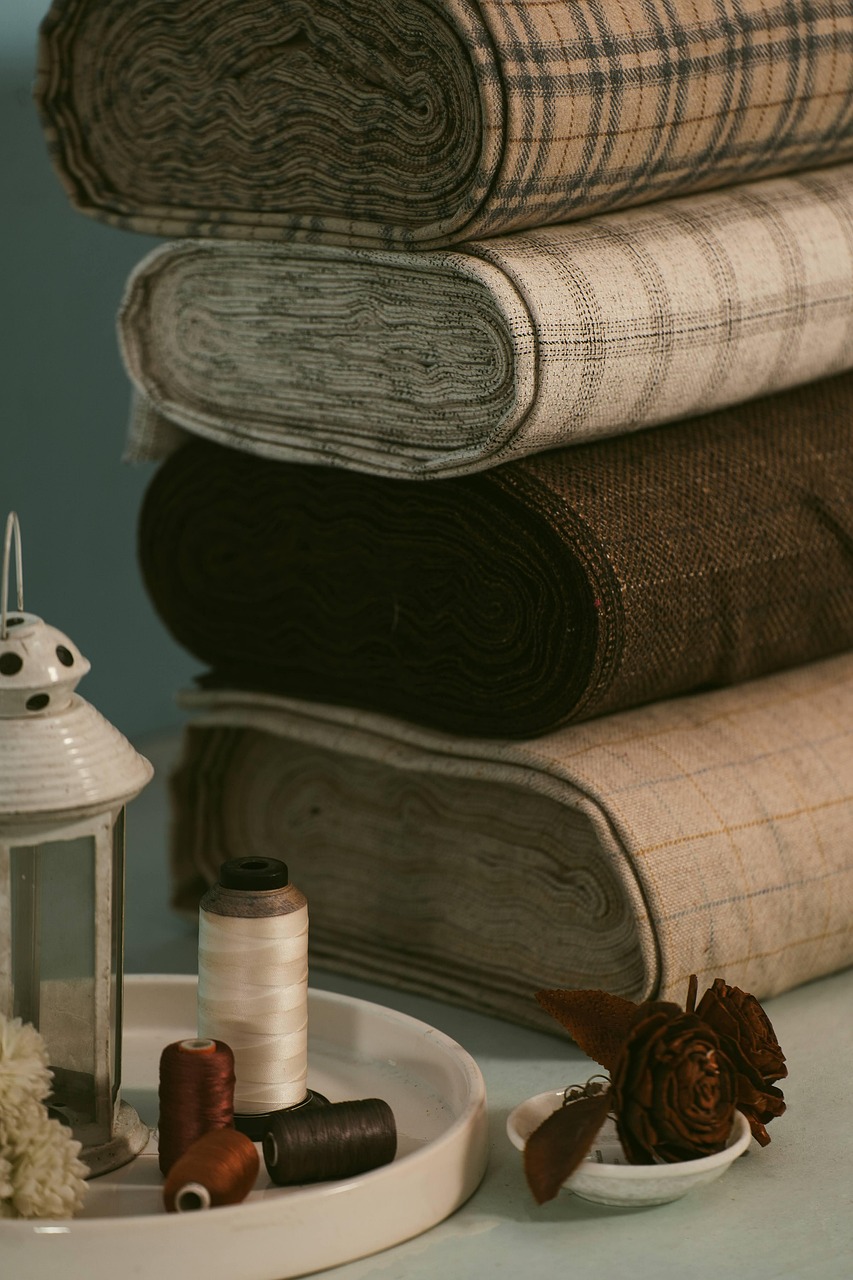
Fabric defines the quality of your garment. Factories may source:
-
Cotton
-
Linen
-
Denim
-
Polyester blends
-
Silk
-
Knits
-
Specialty textiles
Brands can either supply their own fabrics or rely on the factory’s sourcing network.
Step 6: Costing & Production Planning
Once the sample is approved, the factory calculates:
-
Fabric consumption
-
Labor cost
-
Trims and accessories
-
Packaging
-
Overhead
-
Logistics
This becomes your final production quote.
Production timelines, quantities, and delivery dates are confirmed at this stage.
Step 7: Cutting
Approved fabrics are spread in layers and cut using the finalized patterns.
Accuracy here is crucial because mistakes at the cutting stage can ruin an entire production run.
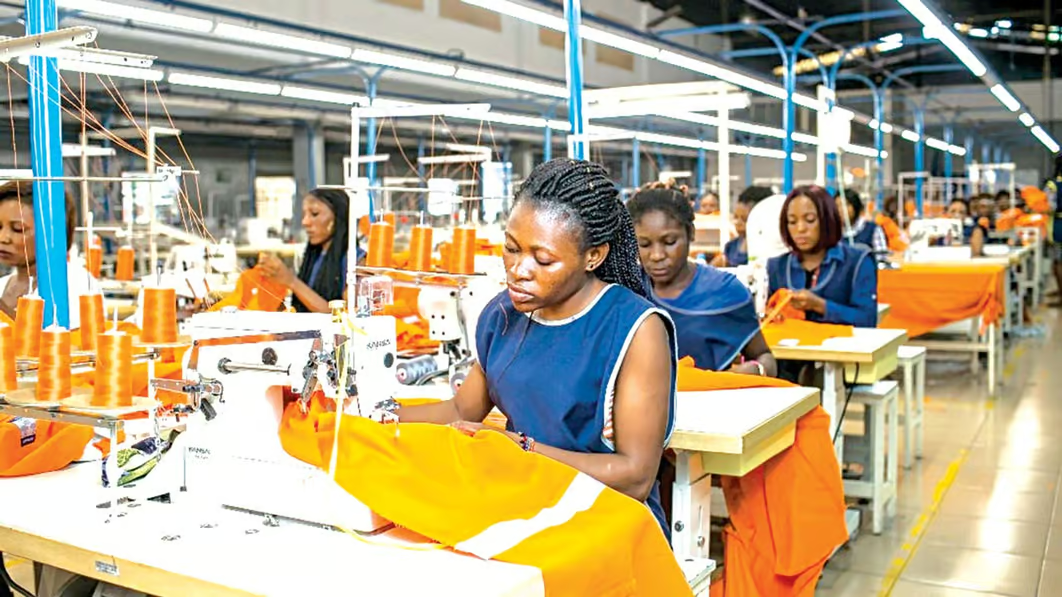
Step 8: Sewing & Assembly
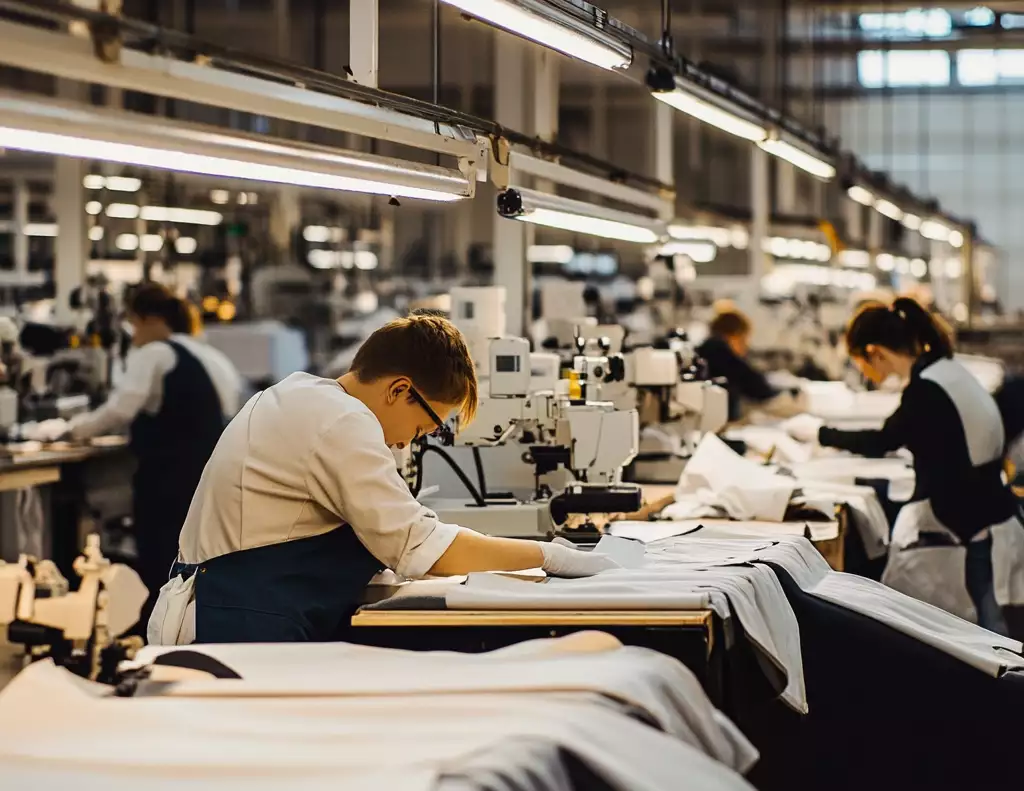
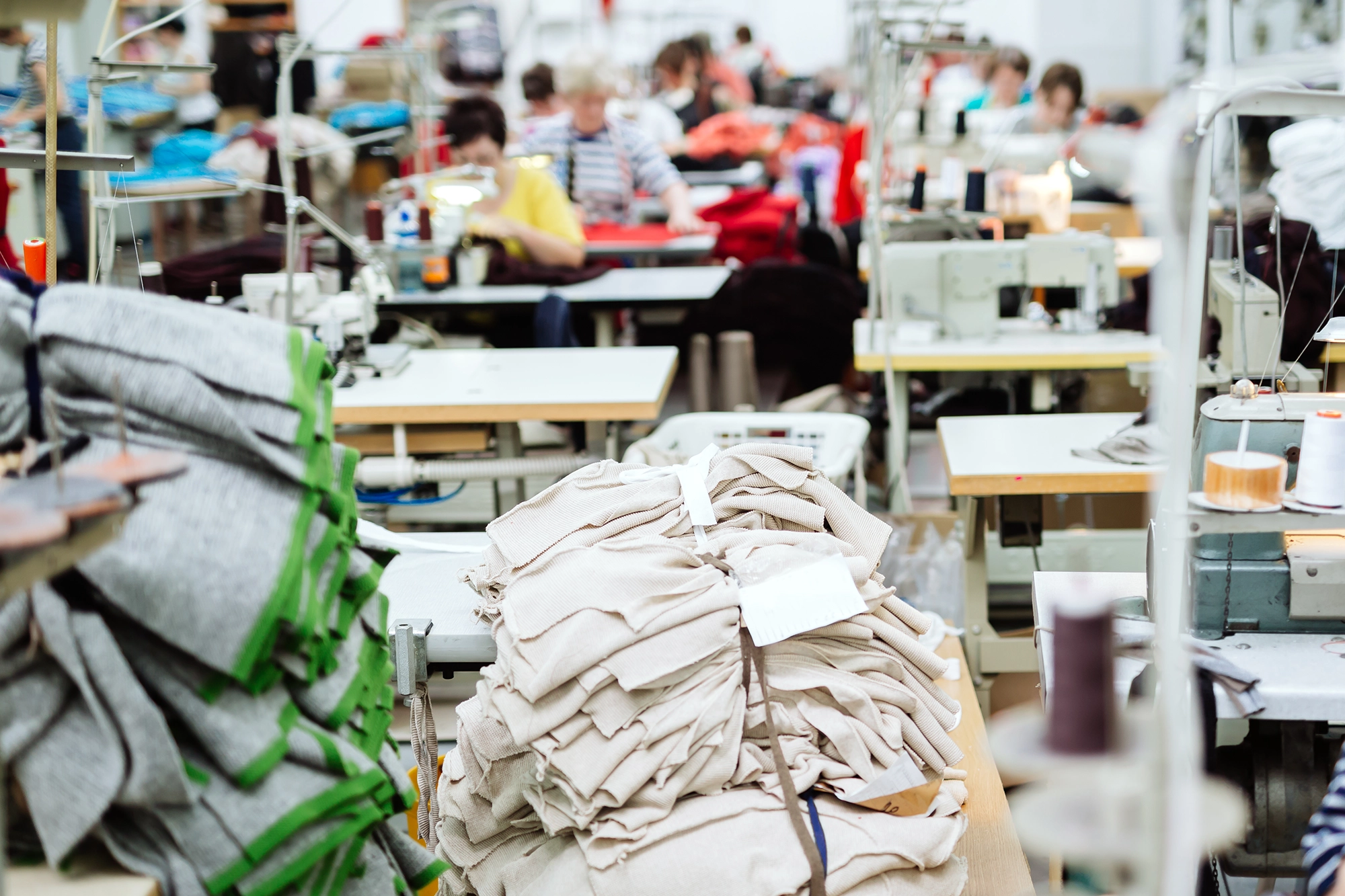
This is the core of the clothing production process.
Each garment goes through multiple stations:
-
Panel joining
-
Collar attachment
-
Sleeve insertion
-
Zipper and button installation
-
Hemming
Different specialists handle different operations to ensure speed and consistency.
Step 9: Quality Control & Inspection
Quality checks happen throughout production.
Inspectors look for:
-
Stitching errors
-
Measurement inconsistencies
-
Fabric defects
-
Construction flaws
Defective garments are corrected or removed.
Step 10: Finishing, Packaging & Labeling
Once approved, garments go through finishing:
-
Pressing or steaming
-
Thread trimming
-
Label attachment
-
Folding
-
Polybagging
-
Boxing
Packaging often follows brand or export requirements.
Step 11: Logistics, Shipping & Delivery
The final step is getting your garments to you or your distribution center.
This may involve:
-
Local delivery
-
International freight
-
Customs clearance
-
Export documentation
Factories that handle global clients usually assist with logistics.
Common Mistakes Brands Make During Production
Many production problems come from:
-
Poor tech packs
-
Rushing sampling
-
Choosing price over quality
-
Inadequate communication
-
Unrealistic timelines
-
Ignoring quality control
Understanding the process helps you avoid these traps.
Clothing production isn’t magic, it’s a structured system. When you understand each step, you gain control over your brand’s quality, cost, and scalability.
Whether you’re producing locally or internationally, mastering this process is non-negotiable.
Looking for a manufacturing partner who handles everything from design to delivery?
We specialize in full-package clothing production for local and global brands.
Get in touch today to start your production journey.

 Gazelle Garment