 Gazelle Garment
Africa is quickly becoming a major destination for fashion manufacturing. With competitive costs, a growing skilled workforce, and expanding infrastructure, many global brands are now exploring African factories.
But not all factories are created equal.
Choosing the wrong manufacturing partner can lead to delayed deliveries, inconsistent quality, communication breakdowns, and financial loss. If you’re searching for a reliable garment factory in Africa, here’s what you must look for.
Understanding Africa’s Manufacturing Landscape
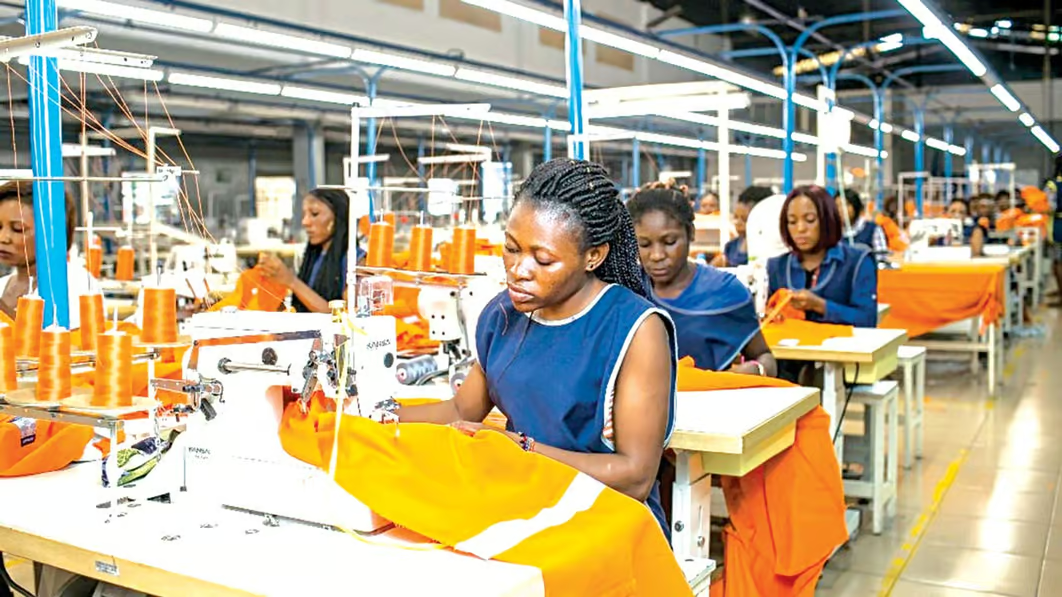
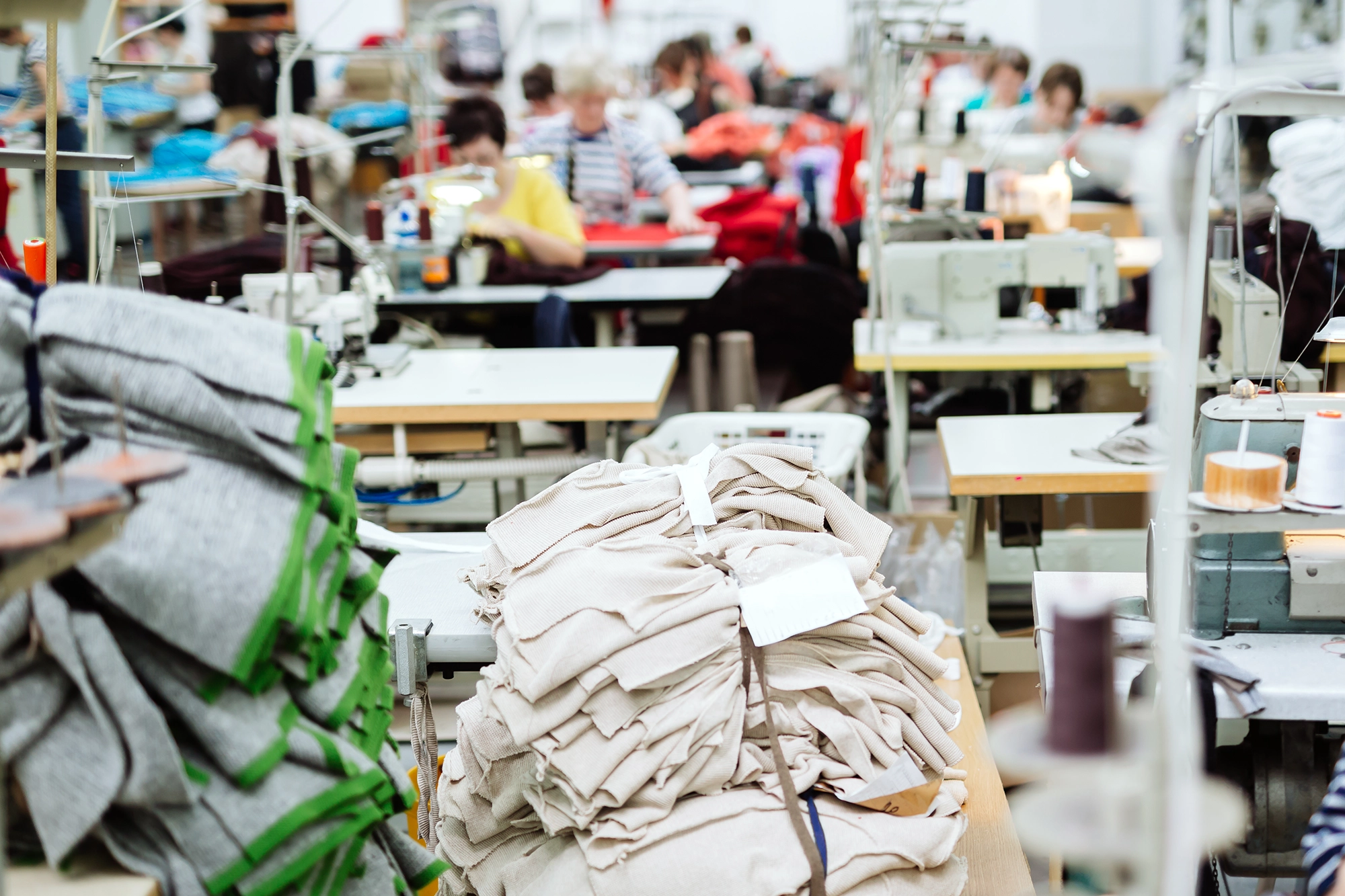
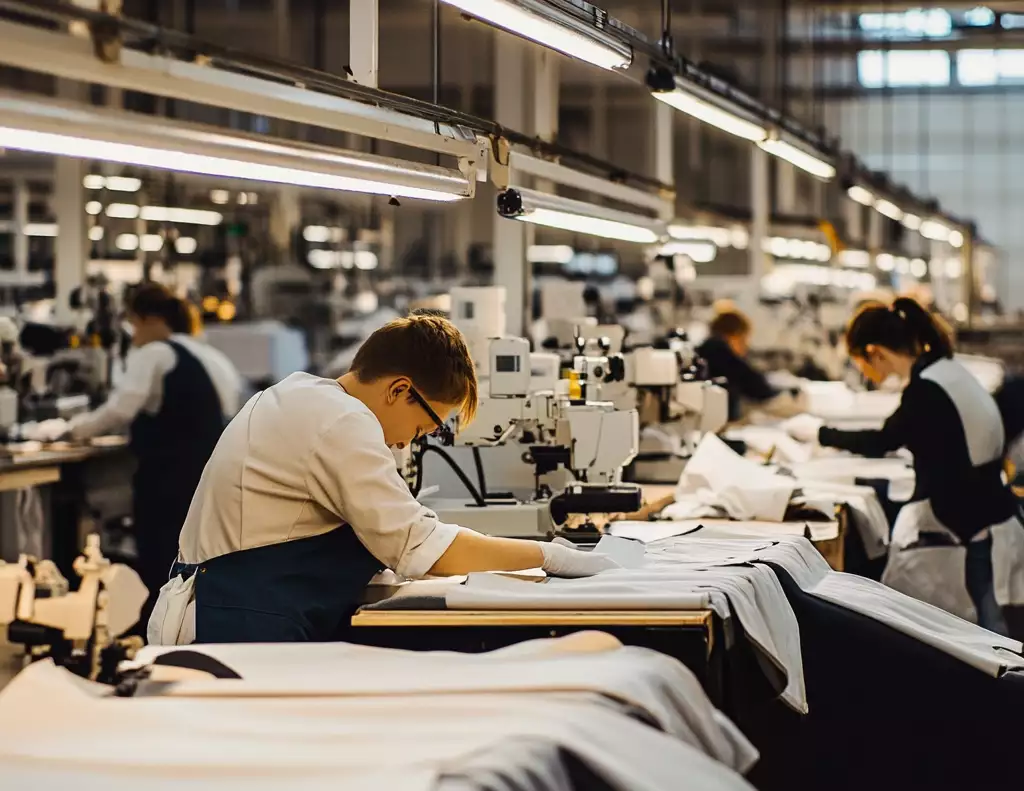
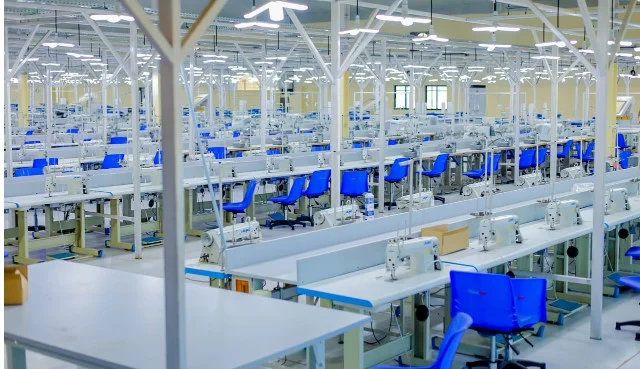
African garment factories range from small tailoring workshops to large-scale production facilities.
Some are:
-
Structured and export-ready
-
Equipped with industrial machines
-
Run by trained professionals
Others still operate informally.
Your job is to separate serious manufacturers from hobbyists.
1. Strong Quality Control Systems
A reliable factory doesn’t “hope” for quality, it has systems for it.
Look for:
-
In-line quality checks
-
Final inspections
-
Measurement verification
-
Stitch consistency checks
-
Defect tracking
Ask how they handle defective pieces.
2. Production Capacity & Scalability
Can the factory grow with your brand?
Important questions:
-
What is your monthly capacity?
-
How many machinists do you employ?
-
Can you handle bulk orders?
-
Do you offer repeat production?
You don’t want to outgrow your manufacturer too quickly.
3. Clear Communication & Transparency
Communication is everything in manufacturing.
A reliable factory:
-
Responds promptly
-
Explains processes clearly
-
Gives realistic timelines
-
Updates you on progress
-
Flags problems early
Avoid factories that promise everything with no structure.
4. Sampling & Product Development Capability
Before bulk production, sampling is critical.
Your factory should be able to:
-
Interpret your designs
-
Develop patterns
-
Suggest construction improvements
-
Create accurate samples
-
Make revisions efficiently
This stage determines the success of your final product.
5. Ethical Labor Practices
Ethical production is becoming a global requirement.
Ask about:
-
Worker wages
-
Working hours
-
Safety conditions
-
Training programs
Brands today are held accountable for their supply chains.
6. Technical Expertise & Equipment
A serious garment factory invests in:
-
Industrial sewing machines
-
Overlock and cover stitch machines
-
Pressing equipment
-
Cutting tables
-
Finishing tools
They should understand garment construction, not just sewing.
7. Export Readiness & Logistics Support
If you’re producing for international markets, your factory must understand export processes.
Look for:
-
Experience with international clients
-
Export documentation handling
-
Proper packaging standards
-
Freight coordination
This saves you time, money, and stress.
8. Pricing vs Value
The cheapest factory is rarely the best.
Low prices often mean:
-
Poor quality
-
Untrained staff
-
Delays
-
High defect rates
Focus on value, not just cost.
Red Flags to Watch Out For
Avoid factories that:
-
Refuse to show previous work
-
Have no physical location
-
Avoid contracts or documentation
-
Can’t explain their process
-
Promise impossible timelines
-
Avoid sample development
Final Thoughts
Africa holds immense potential for global fashion manufacturing—but success depends on choosing the right partner.
A reliable garment factory is not just a vendor. It is a business ally.
Looking for a dependable garment manufacturing partner in Nigeria?
We specialize in structured production, quality control, and export-ready processes for global brands.
Contact us today to start a professional production partnership.

 Gazelle Garment