 Gazelle Garment
If you’ve ever spoken to a garment factory, you’ve probably heard the term CMT thrown around. But many fashion founders nod along without fully understanding what it means, and that confusion often leads to production problems.
CMT stands for Cut, Make & Trim, and it’s one of the most common manufacturing models in the fashion industry.
Let’s break it down.
What Does Cut, Make & Trim (CMT) Mean?
CMT is a production arrangement where the factory is responsible for:
-
Cutting the fabric
-
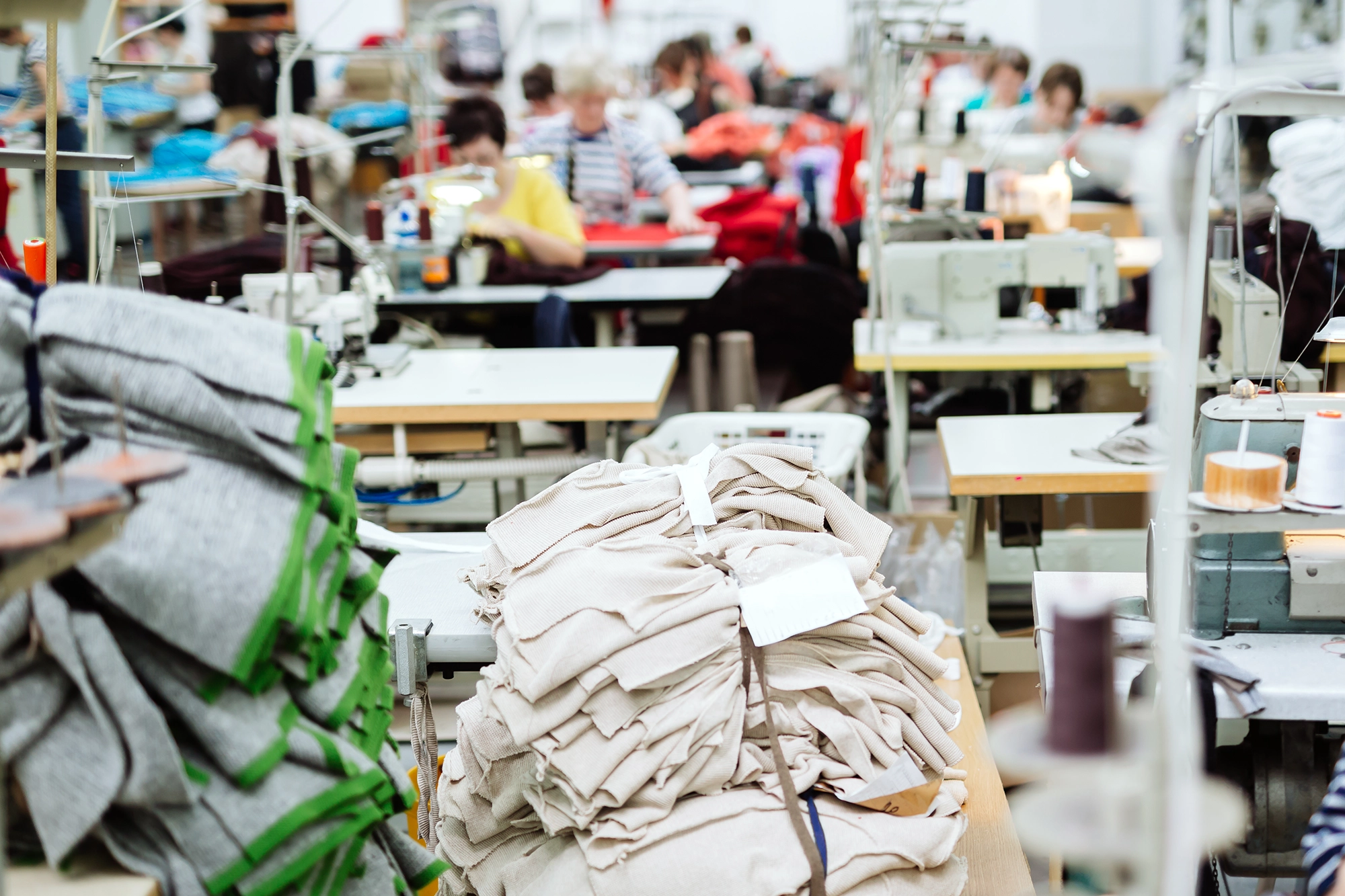
Making (sewing and assembling) the garments
-
Trimming (finishing touches like thread cutting, pressing, and basic packaging)
In this model, the brand supplies almost everything else.
How CMT Manufacturing Works
Here’s how a typical CMT workflow looks:
-
The brand provides the designs and tech packs
-
The brand supplies the fabric
-
The brand supplies trims (buttons, zippers, labels, etc.)
-
The factory cuts the fabric
-
The factory sews the garments
-
The factory finishes and trims
-
The finished garments are delivered
The factory is essentially paid for labor and production execution, not for sourcing or product development.
What the Brand Is Responsible For
In a CMT arrangement, the brand handles:
-
Fabric sourcing
-
Trim sourcing (zippers, buttons, labels, etc.)
-
Tech packs
-
Size grading (sometimes)
-
Packaging (in some cases)
-
Logistics (often)
This requires strong supply chain management skills.
What the Factory Is Responsible For
The factory handles:
-
Cutting
-
Sewing
-
Assembly
-
Basic finishing
-
Quality checks during production
Some factories also offer light sampling support under CMT.
Advantages of CMT Production
1. Lower Production Cost
Because the factory isn’t sourcing materials, CMT is usually cheaper than full-package production.
2. More Control for the Brand
You choose:
-
Your fabrics
-
Your trims
-
Your packaging
-
Your suppliers
This gives you creative and material control.
3. Ideal for Experienced Brands
If you already have strong supplier relationships, CMT can be very efficient.
4. Flexibility
CMT allows you to customize your supply chain.
Disadvantages of CMT Production
1. High Management Burden
You must manage multiple vendors:
-
Fabric suppliers
-
Trim suppliers
-
Packaging vendors
-
Freight companies
This can be overwhelming.
2. Higher Risk of Delays
If one supplier delays, the entire production stalls.
3. More Errors
When components come from different sources, mismatches happen.
4. Not Beginner-Friendly
If you’re new to fashion manufacturing, CMT can be chaotic.
CMT vs Full-Package Manufacturing
| Feature | CMT | Full Package |
|---|---|---|
| Factory sources materials | ❌ | ✅ |
| Brand manages supply-chain | ✅ | ❌ |
| Lower upfront cost | ✅ | ❌ |
| Beginner-friendly | ❌ | ✅ |
| Faster production | ❌ | ✅ |
| Simpler process | ❌ | ✅ |
Full-package manufacturing means the factory handles everything—from sourcing to packaging.
Who Should Use CMT?
CMT is best for:
-
Established brands
-
Designers with fabric supplier relationships
-
Brands with in-house production managers
-
Companies focused on cost control
If you’re new, full-package may be safer.
Common CMT Mistakes Brands Make
-
Sending incorrect fabric quantities
-
Providing incomplete tech packs
-
Using low-quality trims
-
Underestimating lead times
-
Ignoring QC
Summarily, CMT is a powerful production model—but only when used correctly.
It gives brands control and cost efficiency, but also requires strong planning, communication, and logistics skills.
Choosing the wrong model can cripple your operations.
Not sure whether CMT or full-package production is right for your brand?
We help fashion businesses choose the best production model—and execute it professionally.
Contact us today to get started.

 Gazelle Garment