 Gazelle Garment
One of the biggest decisions a fashion brand will ever make is how to manufacture.
Many brands jump into production without understanding the different manufacturing models, and that confusion often leads to delays, wasted money, and frustration.
One of the most comprehensive and brand-friendly options is full package garment manufacturing.
Let’s break it down.
What Is Full Package Garment Manufacturing?
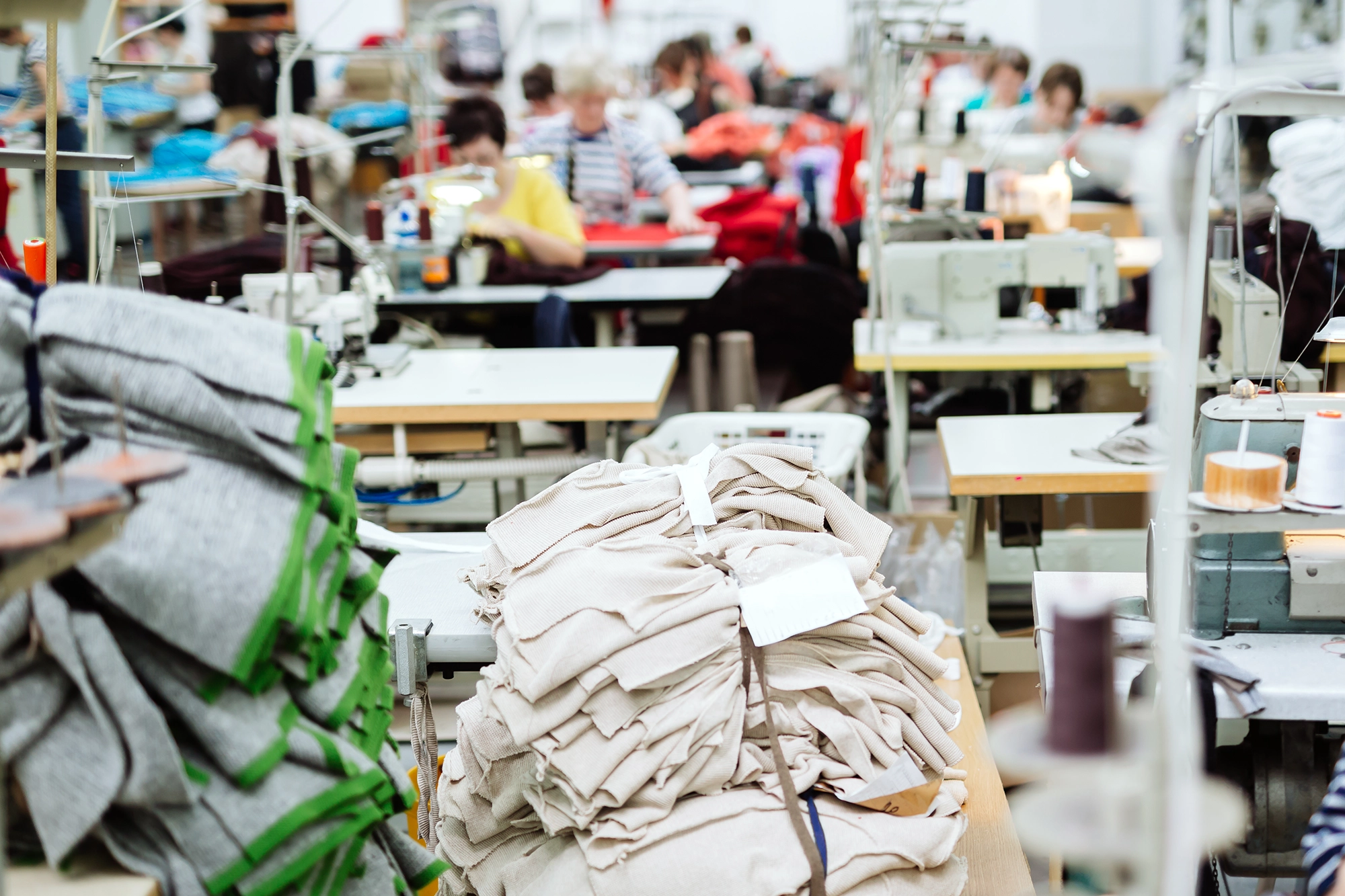
Full package manufacturing is an end-to-end production model where the factory handles everything.
This includes:
-
Design interpretation
-
Pattern making
-
Sampling
-
Fabric sourcing
-
Trim sourcing
-
Cutting
-
Sewing
-
Quality control
-
Finishing
-
Packaging
-
Logistics support
In simple terms:
You bring the idea. The factory brings it to life.
How Full Package Manufacturing Works
Here’s what the typical workflow looks like:
-
Brand submits designs or concepts
-
Factory develops tech packs (if needed)
-
Factory creates patterns
-
Samples are produced and approved
-
Fabrics and trims are sourced
-
Bulk production begins
-
Quality checks are conducted
-
Garments are finished and packaged
-
Orders are shipped
This system removes complexity from the brand’s side.
What the Factory Handles
In full package manufacturing, the factory becomes your production engine.
They handle:
-
Material sourcing
-
Supplier coordination
-
Production scheduling
-
Quality control
-
Labor management
-
Equipment
-
Packaging
-
Export documentation (often)
This reduces your operational burden.
What the Brand Handles
Your focus becomes:
-
Design
-
Marketing
-
Sales
-
Brand strategy
-
Customer relationships
-
Growth
You stop micromanaging production and start building a business.
Advantages of Full Package Manufacturing
1. Simplicity
You deal with one partner, not five.
2. Faster Turnaround
Since everything is handled under one roof, delays are reduced.
3. Better Quality Control
One team oversees the entire process.
4. Beginner-Friendly
Ideal for:
-
First-time founders
-
Small brands
-
Non-technical designers
5. Easier Scaling
As demand grows, the factory adjusts capacity.
Disadvantages of Full Package Manufacturing
1. Higher Cost
Full service = higher pricing than CMT.
2. Less Material Control
You may have fewer fabric supplier options.
3. Dependence on One Partner
If the factory fails, your supply chain is disrupted.
Full Package vs CMT: Key Differences
| Feature | CMT | Full Package |
|---|---|---|
| Factory sources materials | ❌ | ✅ |
| Brand manages suppliers | ✅ | ❌ |
| Lower upfront cost | ✅ | ❌ |
| Beginner-friendly | ❌ | ✅ |
| Faster workflow | ❌ | ✅ |
| Better for scaling | ❌ | ✅ |
Who Should Use Full Package Manufacturing?
This model is best for:
-
Startup brands
-
International clients
-
Founders without production teams
-
Lifestyle brands
-
DTC brands
-
Export-focused labels
If your strength is branding—not logistics—this is your model.
How Full Package Manufacturing Helps Brands Scale
Scaling requires:
-
Predictability
-
Speed
-
Consistency
-
Simplicity
Full package manufacturing delivers all four.
It removes friction, reduces errors, and frees your mental space.
Full package manufacturing is not just a production model, it’s likewise a growth tool.
It allows brands to focus on what they do best while professionals handle the complexities of production.
Looking for a full-service garment manufacturing partner?
We offer end-to-end production, from concept to delivery, for brands across Africa and the world.
Contact us today to start your production journey.

 Gazelle Garment